Risk analysis is a crucial tool that delivers numerous benefits to small and medium-sized enterprises (SMEs), helping them better prepare for various threats and make informed decisions. Here are the key advantages of conducting comprehensive risk analysis.
1. Identifying Potential Threats
Risk analysis enables a company to identify potential threats that could impact its operations, finances, reputation, or regulatory compliance. Early detection of these threats helps avoid unexpected issues and allows for proactive preparation.
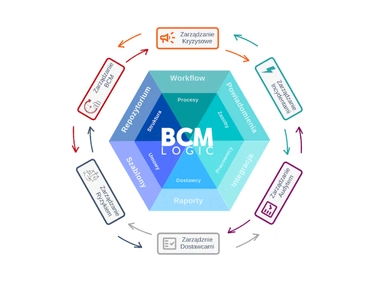
Leverage ready-to-use, predefined threat maps available on the BCMLogic One platform.
2. Financial Risk Management
Through risk analysis, a business can forecast and assess the financial impact of various scenarios, such as revenue loss, currency fluctuations, or rising operational costs. This enables better financial resource management and loss minimization.
3. Optimizing Business Processes
Risk analysis provides a deeper understanding of operational workflows, which often leads to process optimization. As a result, companies can boost efficiency, reduce potential errors, and minimize downtime—ultimately driving significant cost savings.
4. Protecting Company Reputation
Reputational risk management is vital, especially for SMEs that may lack the vast resources needed to rebuild their image after a negative event. Risk analysis helps companies avoid actions that could damage their brand, such as poor crisis response or the mishandling of customer data.
5. Ensuring Regulatory Compliance
Risk analysis helps businesses meet legal and regulatory requirements, including data protection laws, workplace safety rules, or industry-specific standards. Regular compliance risk assessments prevent costly fines and legal issues. This is particularly critical for ICT companies that must demonstrate adequate operational resilience when providing services to the financial sector, in accordance with the DORA regulation.
6. Enhancing Strategic Decision-Making
Risk analysis provides valuable insights that drive better strategic choices. Understanding the risks associated with new markets, products, investments, or business partnerships enables more informed planning and reduces the likelihood of failure.
7. Building Crisis Resilience
Companies that regularly conduct risk analyses are far better prepared for crises, such as technological failures, supply chain disruptions, or sudden market shifts. By anticipating potential threats, a business can develop robust contingency plans (Business Continuity Plans) to ensure a rapid and effective response.
8. Cybersecurity Risk Management
For SMEs, cyberattacks can be especially devastating. Risk analysis in the cybersecurity domain allows companies to identify IT system vulnerabilities, secure sensitive data, and implement protective measures—minimizing the risk of data breaches or operational downtime.
9. Boosting Client and Partner Trust
Clients and business partners expect the companies they work with to manage risk responsibly. Conducting a thorough risk analysis and implementing appropriate security measures builds trust, which translates into higher customer loyalty and stronger partner relationships.
10. Driving Cost Savings
Risk analysis helps companies avoid unexpected expenses tied to crises, errors, or negligence. Investing in early-stage risk management is almost always more cost-effective than absorbing the financial blow of a crisis response or recovering from unforeseen events.
11. Adapting to a Dynamic Business Environment
In today’s fast-paced business landscape, companies must constantly adapt to market, technological, and regulatory shifts. Risk analysis clarifies how these changes might impact operations, enabling faster reactions and strategic adjustments.
12. Gaining a Competitive Edge
Companies that effectively manage risk secure a competitive advantage because they are more prepared for change and potential threats than their less-prepared rivals. This allows them to overcome challenges faster and capitalize on market opportunities more effectively.
Summary
Risk analysis is more than just a tool for avoiding threats; it is a foundational element of strategic planning that empowers SMEs to optimize processes, enhance crisis resilience, safeguard their reputation, and build a sustainable competitive advantage. It enables a business to operate with greater efficiency and awareness, actively minimizing financial, operational, and technological risks.The BCMLogic One platform supports the entire lifecycle of risk identification, assessment, and mitigation. Explore the module’s full capabilities at: www.bcmlogic.com/risk